The relationship between the gut microbiome and mental health has emerged as one of the most exciting frontiers in biomedical research. The gut-brain axis — the bidirectional communication network between the gastrointestinal tract and the central nervous system — is now understood to play a significant role in mood regulation, stress response, and cognitive function.
The Microbiome-Mental Health Connection
The human gut contains approximately 100 trillion microorganisms, collectively weighing about 2 kilograms. These microorganisms produce a remarkable array of neuroactive compounds, including approximately 90% of the body's serotonin, as well as GABA, dopamine precursors, and short-chain fatty acids that influence brain function.
Research has consistently found differences in the gut microbiome composition of individuals with depression, anxiety, and other mental health conditions compared to healthy controls. Studies in germ-free mice — animals raised without any gut bacteria — have demonstrated that the absence of a microbiome produces anxiety-like behavior and altered stress responses, providing evidence for a causal role of gut bacteria in mental health.
Psychobiotics: The Emerging Field
The term "psychobiotics" was coined to describe probiotics and prebiotics that have demonstrable effects on mental health. Several specific bacterial strains have shown promise in randomized controlled trials. Lactobacillus rhamnosus has demonstrated anxiolytic effects in animal models and has shown preliminary evidence of benefit in human studies. Bifidobacterium longum has been associated with reduced cortisol levels and improved cognitive performance under stress.
Dietary Interventions
The most practical implication of the gut-brain axis research concerns diet. The SMILES trial, a landmark randomized controlled trial published in BMC Medicine, found that a Mediterranean-style dietary intervention produced significantly greater reductions in depression symptoms than social support alone, with a number needed to treat of just 4.1 — comparable to antidepressant medications.
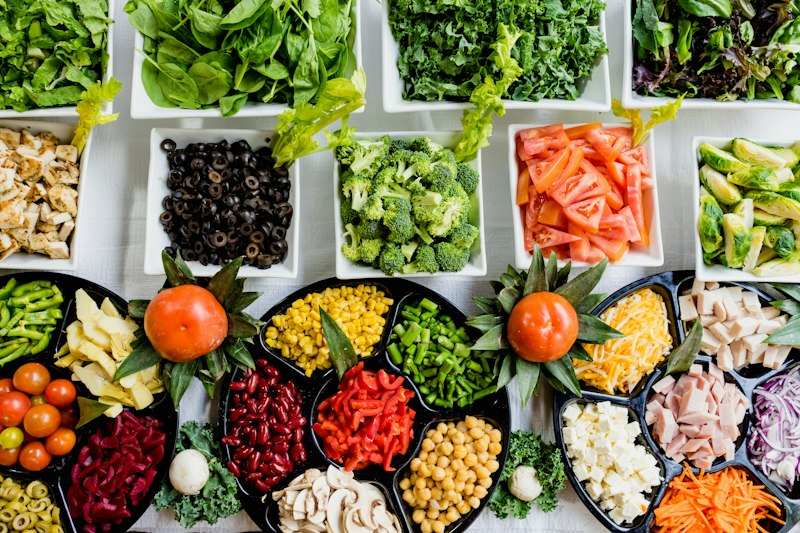
Foods that support a healthy microbiome include fermented foods (yogurt, kefir, kimchi, sauerkraut), high-fiber plant foods (legumes, vegetables, whole grains), and polyphenol-rich foods (berries, olive oil, dark chocolate). Ultra-processed foods, by contrast, are associated with reduced microbiome diversity and worse mental health outcomes.
Dr. Priya Sharma
Health Correspondent
Senior journalist covering health topics with over a decade of experience in investigative reporting and analysis.
Share this article
Stay Informed
Get the best stories from Finance, Health, Tech, News & Entertainment delivered weekly.
No spam. Unsubscribe anytime.